Introduction
Cardiopulmonary resuscitation (CPR) is a life-saving treatment that can make all the difference in emergency situations. Whether it's a heart attack, drowning event, or any other clinical emergency, understanding just how to do CPR successfully can be the trick to saving lives. In Australia, the guidelines for mouth-to-mouth resuscitation are structured to make certain that people are furnished with the expertise and skills required to act swiftly and confidently during such dilemmas. This write-up supplies an extensive look into how to do mouth-to-mouth resuscitation in Australia, outlining vital guidelines, strategies, and finest practices.
How to Execute CPR in Australia: Essential Standards and Techniques
What is CPR?
Cardiopulmonary resuscitation (CPR) is an emergency situation lifesaving procedure executed when the heart quits whipping. It involves breast compressions and rescue breaths to maintain blood flow and oxygenation till sophisticated medical help arrives. Recognizing how to do CPR properly is crucial for anybody that might discover themselves in a setting to aid a person in distress.
Why is mouth-to-mouth resuscitation Important?
CPR is crucial since it aids keep blood flowing to the brain and various other vital body organs throughout heart attack. The quicker CPR is started, the greater the chances of survival. According to data from St John Ambulance Australia, immediate CPR can double and even triple an individual's opportunity of survival.
Understanding Heart Arrest
What Creates Cardiac Arrest?
Cardiac apprehension takes place when the heart instantly stops pumping blood successfully. This can be because of different reasons, consisting of:
- Heart disease Drowning Severe trauma Drug overdose Electrical shock
Recognizing these causes can aid you recognize the urgency of executing CPR when necessary.
The Essentials of Performing CPR
Adult mouth-to-mouth resuscitation Guidelines
Step-by-Step Instructions
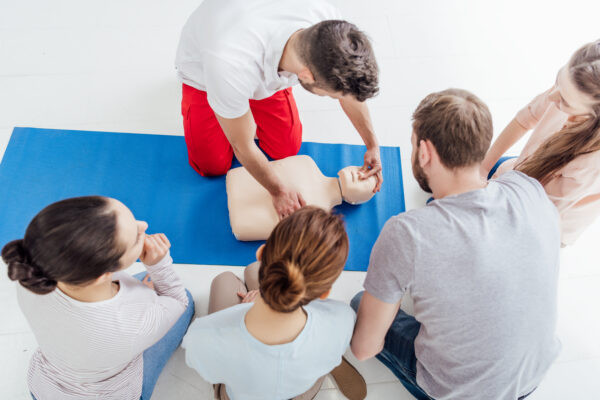
Check Responsiveness: Shake the person carefully and yell loudly. Call for Help: If there's no action, call 000 right away for emergency assistance. Positioning: Ensure the person is existing level on their back on a company surface. Open Airway: Tilt their head back somewhat by positioning one hand on their forehead while lifting their chin with an additional hand. Check Breathing: Try to find upper body movement and listen for breathing sounds. Start Breast Compressions:- Kneel next to them. Place heel of one hand on the center of their chest. Place your other hand on top; interlock fingers. Keep arms straight and shoulders directly over hands. Compress a minimum of 5 cm deep at a price of 100-120 compressions per minute.
- After 30 compressions, give 2 breaths making use of a pocket mask or mouth-to-mouth if safe. Continue cycles of 30 compressions complied with by 2 breaths.
Incorrect Compression Depth
One common error during grown-up mouth-to-mouth resuscitation is utilizing an inaccurate compression deepness-- less than 5 cm or more than 6 cm may not be effective adequate or might trigger injury. Always go for in between 5 centimeters and 6 cm.
CPR for Special Situations
Infant mouth-to-mouth resuscitation Technique
Performing baby CPR needs certain methods as a result of their dimension:
Check Responsiveness: Carefully tap the infant's foot or shoulder. Call for Help: Call emergency situation solutions while ensuring security first. Positioning: Lay them on a firm surface area on their back. Open Airway: Use a neutral setting rather than turning their head back too far. Check Breathing: Observe routine breathing patterns closely. Chest Compressions:- Use two fingers placed just below the nipple line at a depth of about 4 cm at a rate comparable to adults-- 100-120 compressions per minute.
- Give 2 mild breaths after every 30 compressions; guarantee no blockage occurs.
Drowning Victims
For drowning sufferers, it's essential initially to get them out of water safely prior to starting CPR:
Follow standard CPR actions but emphasize rescue breaths since they might not be breathing as a result of water inhalation.
Ensure respiratory tracts are clear by tilting the head backwards prior to launching rescue breaths.
Utilizing AED with CPR in Australia
What is an AED?
An Automated External Defibrillator (AED) is designed to evaluate heart rhythms and deliver electric shocks CPR Training in southport as required during cardiac arrest situations.

How To Utilize AED
Turn on the AED gadget; follow voice motivates supplied by it meticulously. Expose the upper body area where pads will certainly be placed. Attach pads according to diagrams shown on pads or tool directions-- one pad above best bust bone and one more listed below left armpit. Ensure no one touches the person while evaluating rhythm-- clear everybody away! If shock advised, press 'shock' button when prompted; return to upper body compressions promptly after shock delivery.Household CPR Readiness
Preparing Your Home For Emergencies
Being ready in the house can conserve critical minutes during emergencies:
Have easily accessible areas for first aid kits consisting of handwear covers, scissors, antibacterial wipes & & handbooks detailing standard emergency treatment procedures consisting of "how to carry out mouth-to-mouth resuscitation." Discuss household emergency situation intends consistently including all relative so every person recognizes what actions they should take if something takes place unexpectedly!FAQs Regarding Executing CPR in Australia
Q1: For how long does a CPR certificate continue to be legitimate in Australia?
A1: A typical CPR certification validity lasts as much as 3 years prior to requiring revival with recertification training courses supplied extensively across various companies like St John Ambulance.
Q2: Exist on-line choices offered for obtaining certification?
A2: Yes! Numerous recognized establishments offer online mouth-to-mouth resuscitation certification that enables individuals versatility pertaining to time monitoring while finding out crucial abilities called for efficiently!
Q3: What age-specific standards exist for doing cpr?
A3: Yes! There are clear age-specific cpr guidelines australia highlights distinctions based upon age (infants vs children vs adults) pertaining to strategies made use of therefore making certain effectiveness without creating damage unintentionally!
Q4: Exists any kind of statistical data relating success prices post-cpr?
A4: Absolutely! According To cpr success price statistics australia, Immediate initiation boosts survival prices considerably suggesting importance behind prompt interventions!
Q5: Can I utilize AED without official training?
A5: Definitely! Many contemporary gadgets come furnished with user-friendly guidelines making it feasible also untrained people administer shocks safely when necessary!
Q6: Where can I find local classes providing hands-on training sessions?
A6: Many companies offer local mouth-to-mouth resuscitation courses, including recreation center as well as hospitals concentrating mainly showing basic lifesaving approaches effectively via sensible demonstrations together with academic understanding acquisition!
Conclusion
Knowing how to carry out CPR in Australia effectively has actually become an indispensable ability with the ability of conserving numerous lives annually-- an obligation most of us share within our areas! By recognizing foundational principles surrounding this life-saving technique alongside incorporating resources offered in your area such as training courses tailored particularly in the direction of enhancing private capabilities; we equip ourselves much better gearing up those ready adequate surge events where action requires taken without delay! Remember always method makes perfect; as a result continuous understanding whether attending refresher course trainings workshops guarantees preparedness against unforeseen emergency situations striking when First Aid Course Southport least expected!